
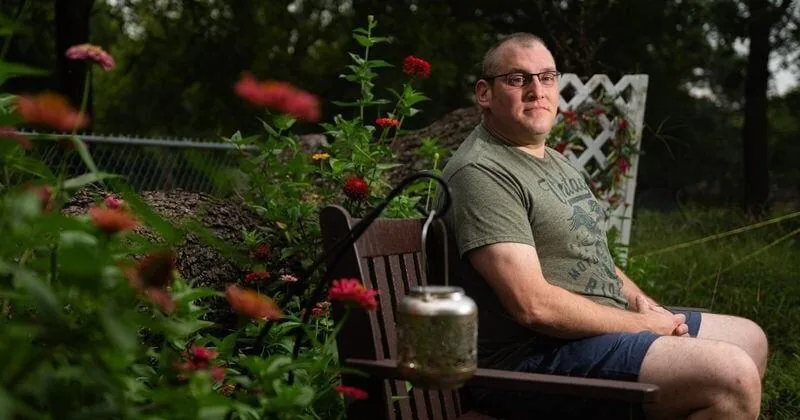
WEST DES MOINES, IA — A West Des Moines police officer who is fighting cancer has drawn a wave of support from the community around him. Neighbors, local businesses and coworkers have stepped forward to help as he goes through treatment and the demands that come with a serious illness.
The response has been centered on easing the burden for the officer and his family. Supporters have organized aid and shown up in ways that reflect both the close ties in the area and the respect many residents say they have for police work done out of public view.
Support grows around the officer and his family
Community members have responded with practical help as well as encouragement. The support has included contributions meant to reduce the pressure that can build around medical care, time away from work and the everyday costs that do not stop when treatment begins.
The officer’s illness has clearly resonated with people who know him personally and with others who simply wanted to stand behind a public servant facing a difficult diagnosis. In a case like this, support often comes from many directions at once, and that has been true here.
What stands out is the way the response has extended beyond the police department itself. Local residents and area businesses have taken part, turning concern into action and giving the family something more tangible than sympathy alone.
A diagnosis that reached beyond the police department
The diagnosis did not stay a private matter for long. News of the officer’s condition spread through the community, where it prompted an immediate reaction from people who wanted to help in some way.
For police departments, moments like this can become a reminder of how closely officers and residents are linked outside of calls for service. The support described around this officer suggests that many in West Des Moines see his situation as personal, not just professional.
That connection has helped turn concern into a community effort. Rather than a distant expression of sympathy, the response has taken shape through direct support, showing how quickly a local illness can become a shared concern when a family is under strain.
Businesses and coworkers step in with help
Local businesses have been part of the response, adding to the assistance coming from the officer’s colleagues and neighbors. Those contributions have helped create a broader circle of support around the family while treatment continues.
Coworkers have also been important in that effort. For police officers, the workplace can function like an extended family, and that appears to be true in this case as colleagues rally around one of their own.
The support from inside and outside the department underscores how a serious illness can alter daily life quickly. When that happens, help with ordinary needs can matter just as much as words of encouragement, especially for a family trying to focus on health and recovery.
Why the story resonated in West Des Moines
The reaction has highlighted the place this officer holds in the community. People have not only responded to a medical crisis, but also to someone they recognize as part of the fabric of local public safety.
In West Des Moines, that bond appears to have made the officer’s fight with cancer something many residents felt they could not ignore. The outpouring reflects a familiar pattern in close communities, where illness can mobilize support quickly and in visible ways.
It also shows how residents often look for practical ways to help when someone is facing a serious diagnosis. In this case, the response has gone beyond concern, with community members making clear that the officer and his family do not face the challenge alone.
A reminder of the human side of public service
Behind the badge, the story is about a person confronting a difficult disease and the people around him answering that challenge with care. The support has made the officer’s struggle a shared one, at least in the eyes of those who stepped in to help.
For many residents, that human side of public service can be easy to overlook until a moment like this brings it into focus. The response to the officer’s cancer diagnosis has done exactly that, drawing attention to the personal costs that can come with public work.
As treatment continues, the community’s response stands as a sign of solidarity. It has given the officer and his family visible proof that their neighbors, coworkers and local businesses are paying attention and are willing to help where they can.
Community aid continues as treatment goes on
The officer’s situation remains centered on treatment and the support needed to get through it. While the illness has created obvious hardship, the surrounding response has offered a measure of relief and reassurance.
That assistance reflects more than generosity. It also shows how a local community can mobilize quickly when one of its own faces a serious health crisis, especially when the person is someone many know through service and daily contact.
For now, the central fact is simple: a West Des Moines police officer is battling cancer, and the people around him have answered with care, money, time and encouragement. The collective response has become part of the story itself.
Community aid continues as treatment goes on
The officer’s situation remains centered on treatment and the support needed to get through it. While the illness has created obvious hardship, the surrounding response has offered a measure of relief and reassurance.
That assistance reflects more than generosity. It also shows how a local community can mobilize quickly when one of its own faces a serious health crisis, especially when the person is someone many know through service and daily contact.
For now, the central fact is simple: a West Des Moines police officer is battling cancer, and the people around him have answered with care, money, time and encouragement. The collective response has become part of the story itself.
